
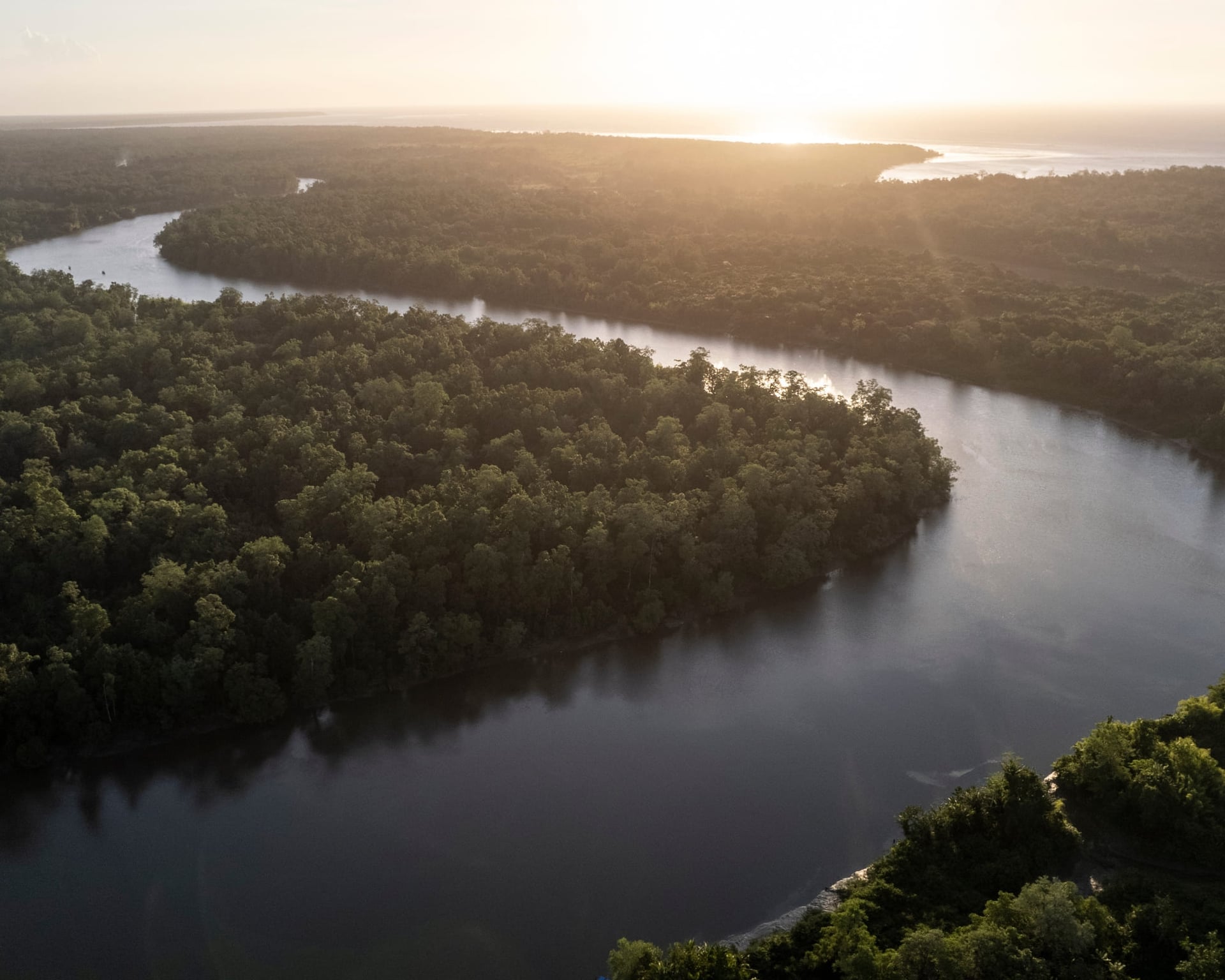
April 22 is International Earth Day, a date that reinforces the importance of rethinking our relationship with natural resources.
In a scenario of excessive consumption and environmental degradation, tourism also needs to be rethought. According to the World Travel and Tourism Council (WTTC), the travel industry is responsible for around 8% of global greenhouse gas emissions (2023 data).
However, tourism, if well planned, can be part of the solution. It is in this context that sustainable ecotourism stands out. “Ecotourism, when done responsibly and with the involvement of local communities, can generate income without destroying ecosystems. It turns visitors into conservation allies”, says Lucas Ribeiro, founder of PlanetaEXO, a global ecotourism platform.
That’s why initiatives that involve local communities and respect the limits of ecosystems are more effective in preserving nature and building sustainable economic alternatives.
In this Earth Day, here are five positive impacts of ecotourism:
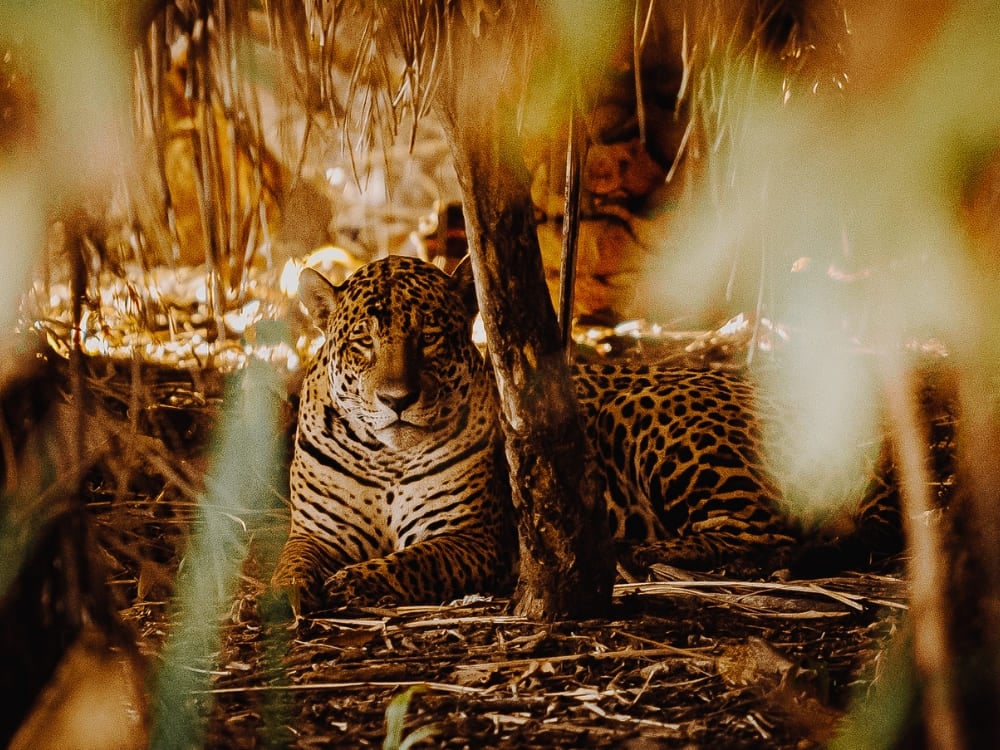
1. Conservation of biodiversity
Ecotourism encourages the preservation of natural areas by generating economic value associated with conservation. Destinations that previously faced deforestation, hunting and illegal mining now see the protection of biodiversity as an ongoing and legitimate source of income.
2. Strengthening local communities
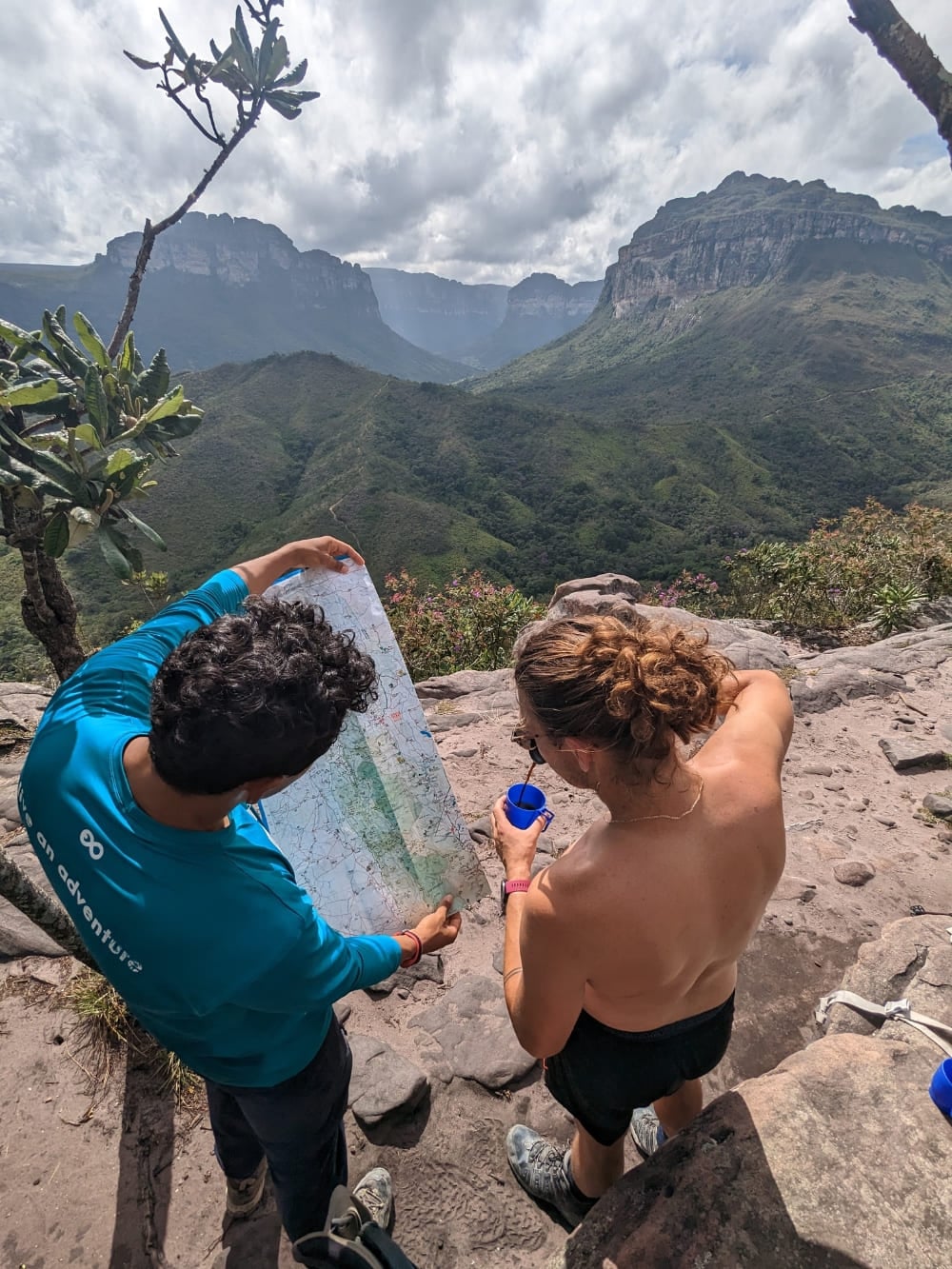
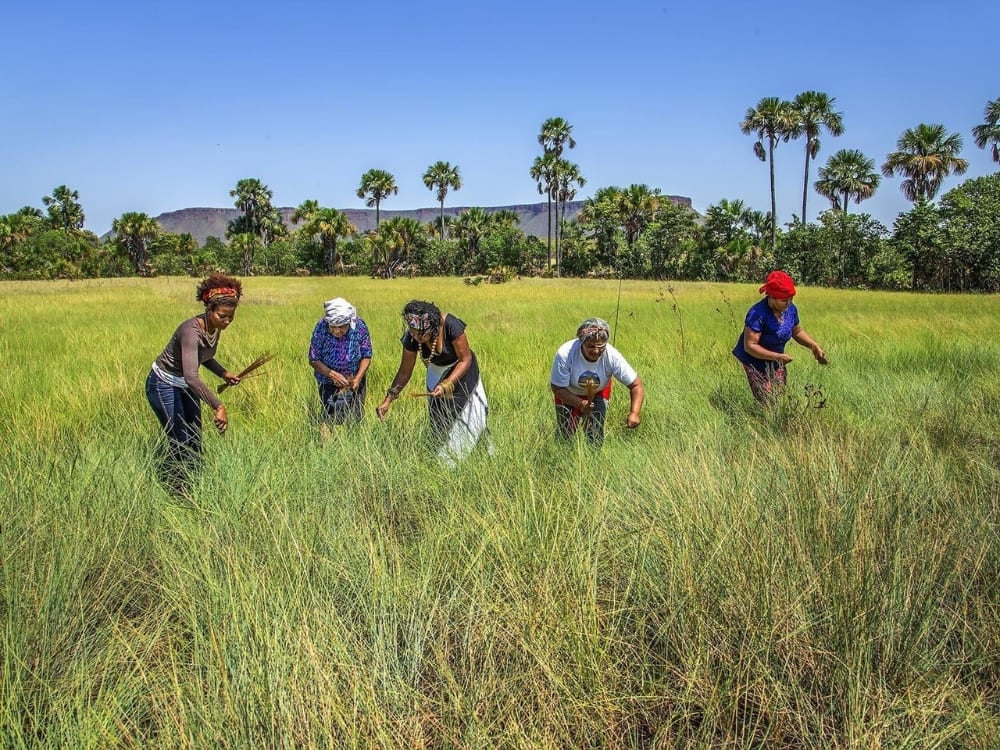
By employing guides, artisans, small producers and owners of family-run lodges, ecotourism distributes income in a decentralized way. “This model helps keep people in the territory, with dignity and protagonism”, explains Lucas Ribeiro.
3. Environmental education
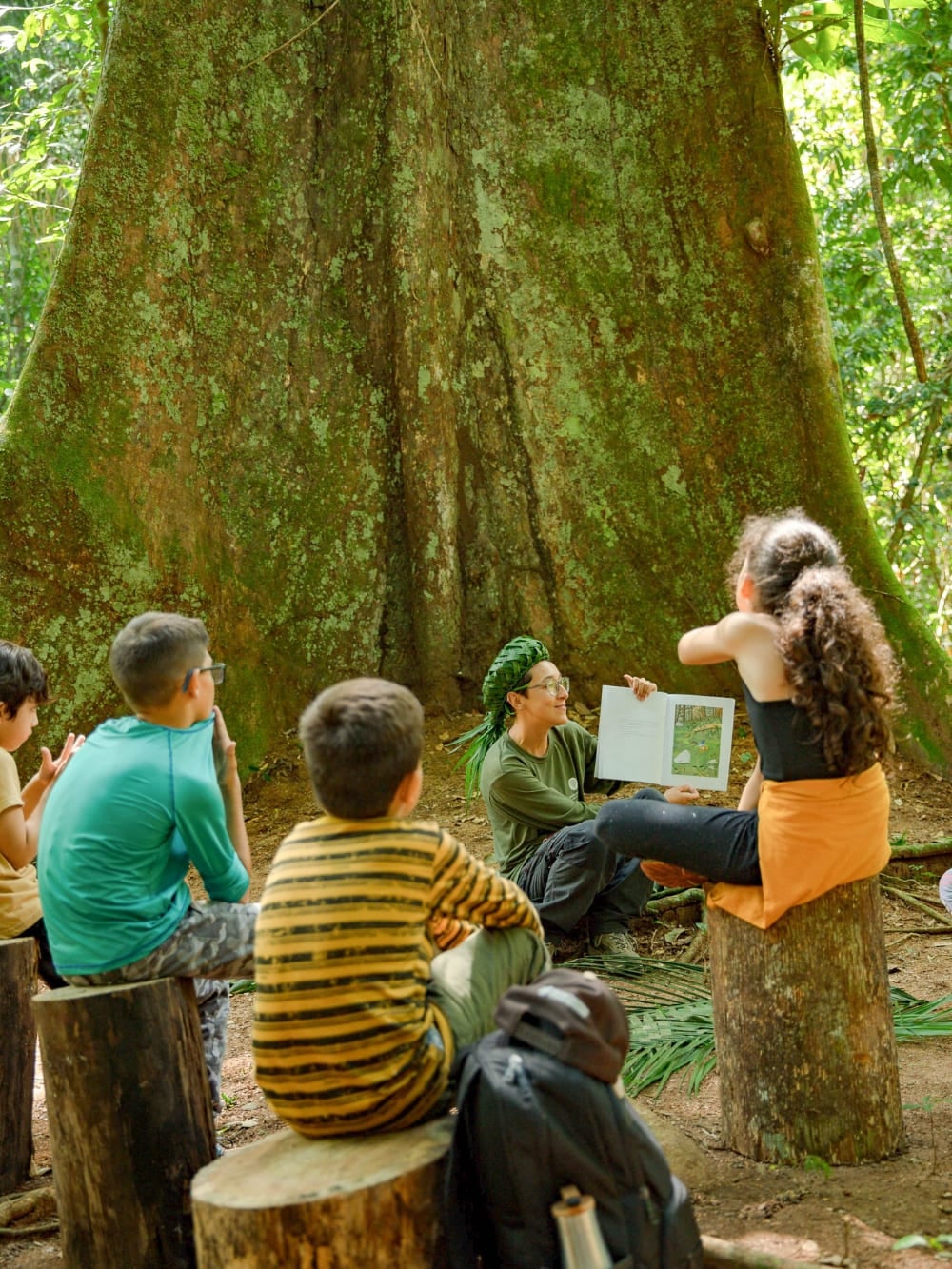
Ecotourism trips offer direct learning experiences with nature and local knowledge. Visitors get to know the environmental challenges of each region and return home more aware of their role as citizens.
4. Stimulating the circular economy
The logic of “consuming local” is central to ecotourism. Food, transport and typical products are prioritized, strengthening short production chains and reducing the carbon footprint associated with the trip.
5. Reconnecting with the planet
More than just a style of travel, ecotourism invites us to change our mentality: to get out of the consumption mode and into a more attentive rhythm, more sensitive to the rhythms of the earth. In times of environmental urgency, this attitude becomes a political gesture.

Sustainability
In biomes under severe pressure – such as the Amazon and the Pantanal – the positive impacts of ecotourism have proved to be a concrete alternative to the advance of predatory activities such as deforestation, mining, and uncontrolled tourism.
More than just a walk in the middle of nature, this type of tourism invites reconnection: with the environment, with traditional ways of life, and, above all, with the limits of the planet. In times of climate emergency, water scarcity, and accelerated ecosystem degradation, this reconnection is no longer an individual choice. It is a collective need, urgent and unavoidable.
Read more:
Keep reading
October 14, 2026
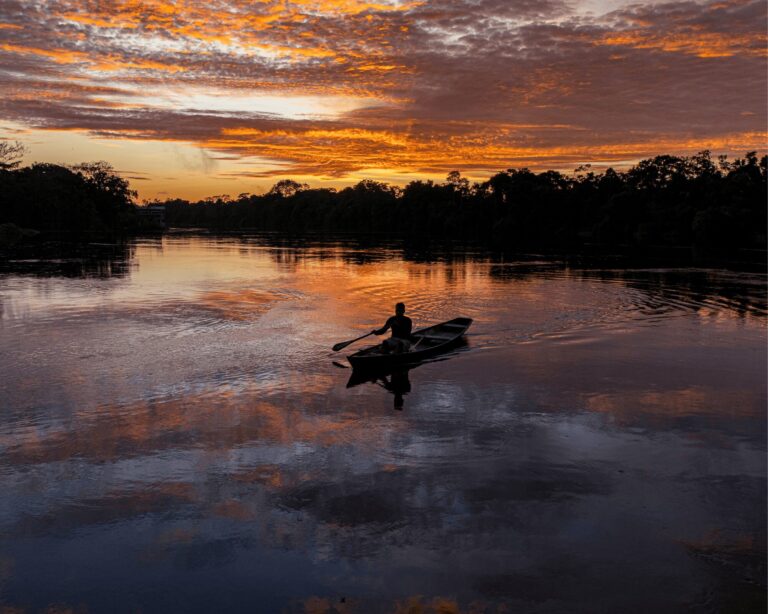
10 Tips to Make the Most of Your Amazon Tour From Manaus, Brazil
Booked an Amazon tour from Manaus in Brazil? See 10 tips to enjoy your experience, including what to eat, what to do, how to be safe, and what to avoid!

October 1, 2026
PlanetaEXO’s new mini-doc showcases ecotourism in Lençóis Maranhenses
In “Lençóis Maranhenses: Far From The Crowds, Close To What Matters”, PlanetaEXO’s mini-doc shows how ecotourism is changing life for local communities.
September 30, 2026
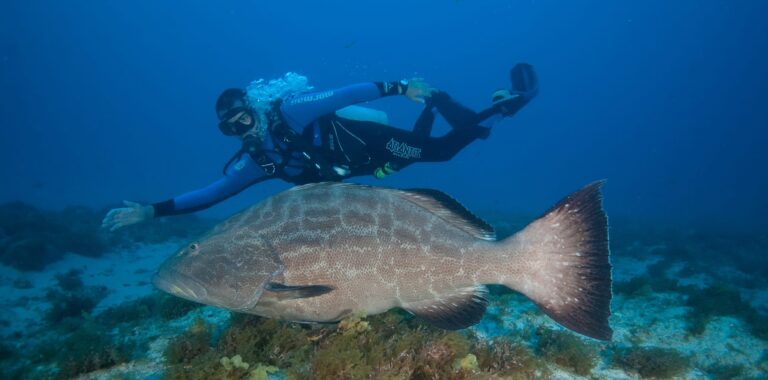
Best Dive Sites in Fernando de Noronha: 21 Spots by Depth and Level
The 21 best dive sites in Fernando de Noronha, with depth, seaside, and level for each, from 8 m beginner reefs to the 62 m Corveta Ipiranga wreck.