
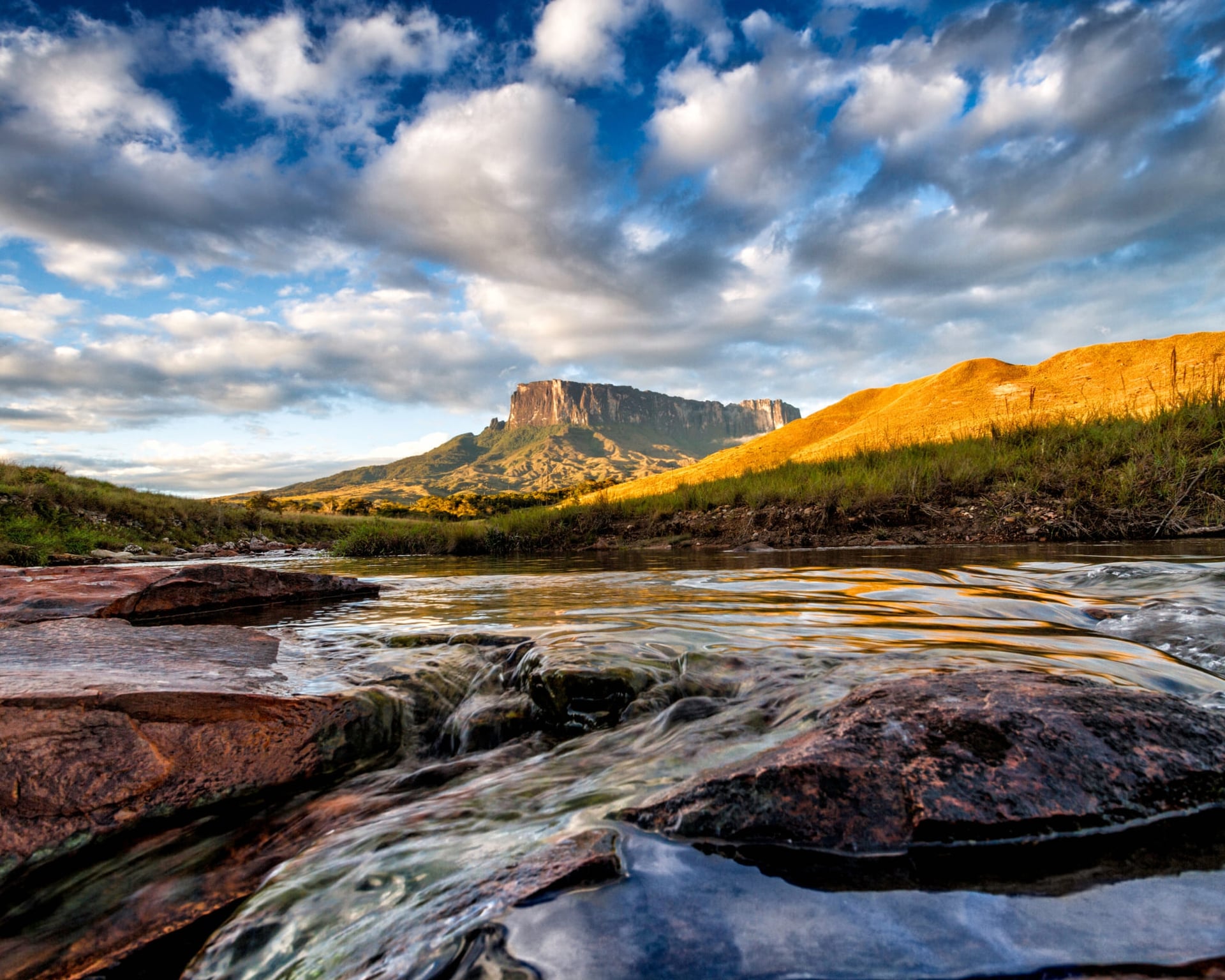
Learn about logistics, the best routes, main access points, and what you need to plan before starting your Mount Roraima trekking adventure
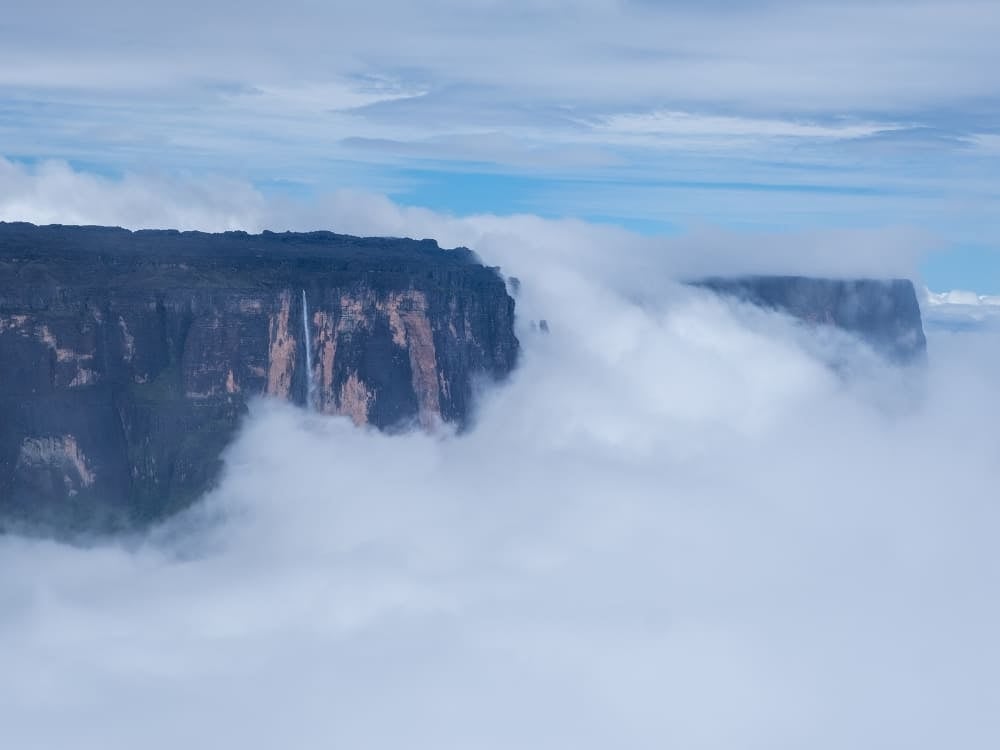
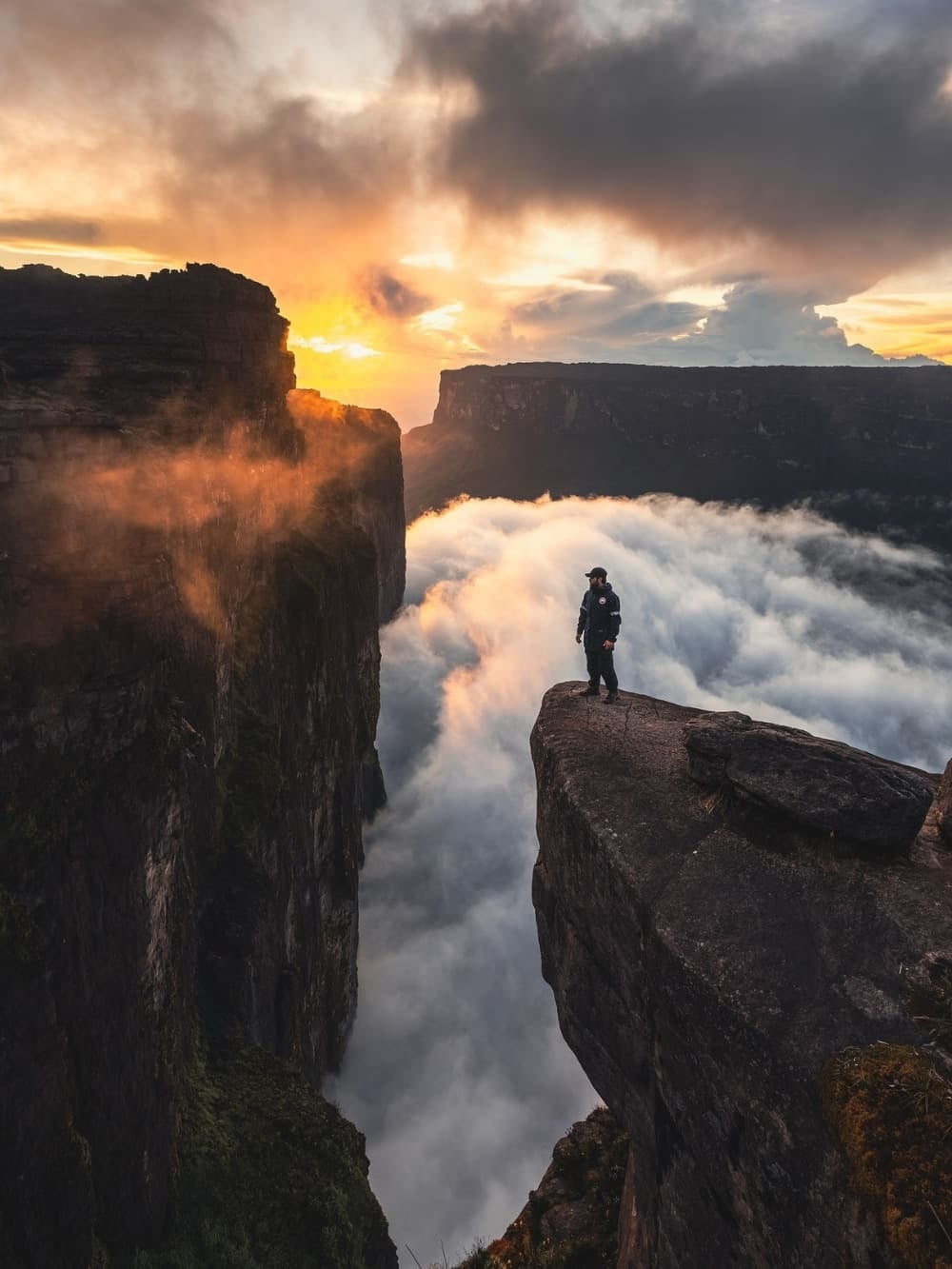
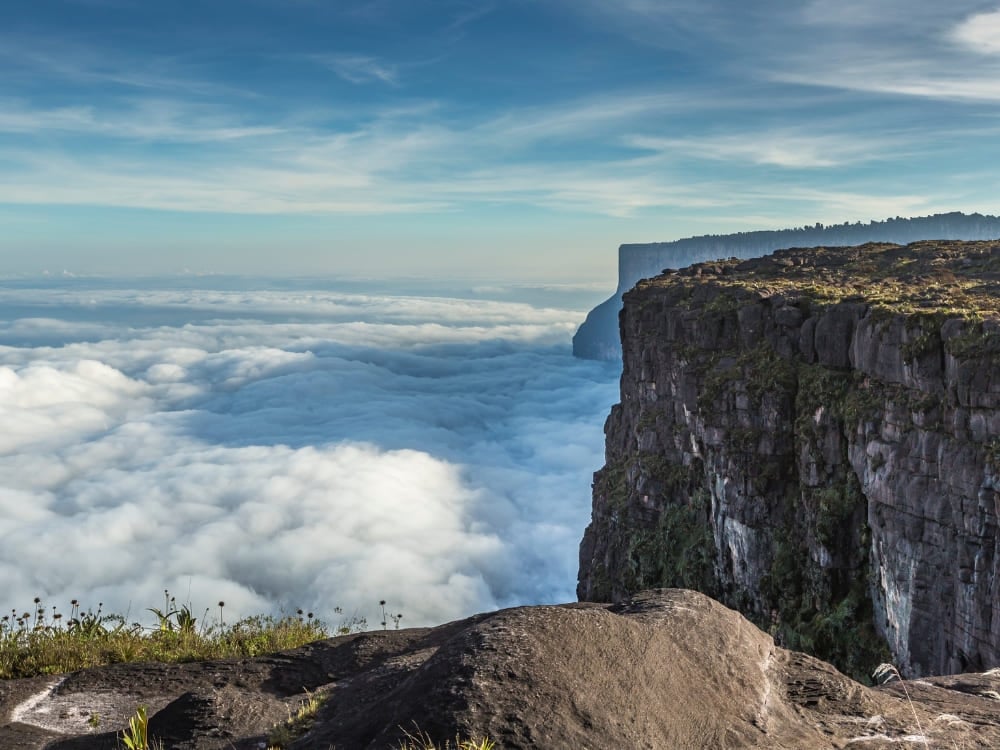
One of the most incredible tepuis in South America, Mount Roraima is located on the triple border of Venezuela, Brazil, and Guyana. At 2,810 meters (9,219 feet) above sea level, it’s one of the highest places on Earth.
Its untouched natural beauty, thrilling hiking trails, and cultural and spiritual aspects attract countless adventurers every year, so knowing how to get to Mount Roraima is a crucial part of any travel planning.
To help with the arrangements of your next trip, PlanetaEXO, an ecotourism platform specializing in Mount Roraima tours, has put together a detailed guide with all the information you need. Check it out below!
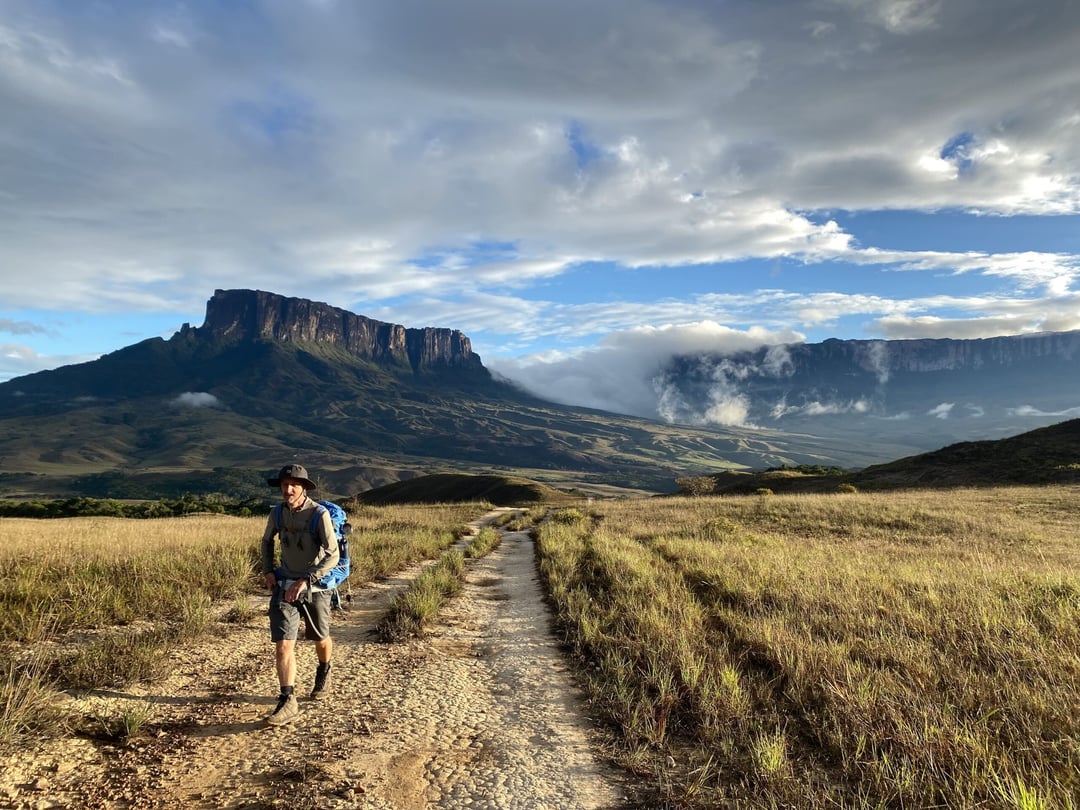
How to Get to Mount Roraima?
You can start your adventure to Mount Roraima from a few different locations, but the most popular and convenient gateway is Boa Vista, capital of the state of Roraima, in northern Brazil.
Boa Vista’s close location to the Venezuelan border, specifically to the city of Santa Elena de Uiarén (Grand Sabana, Bolívar), makes it a natural hub for expeditions heading to the plateau.
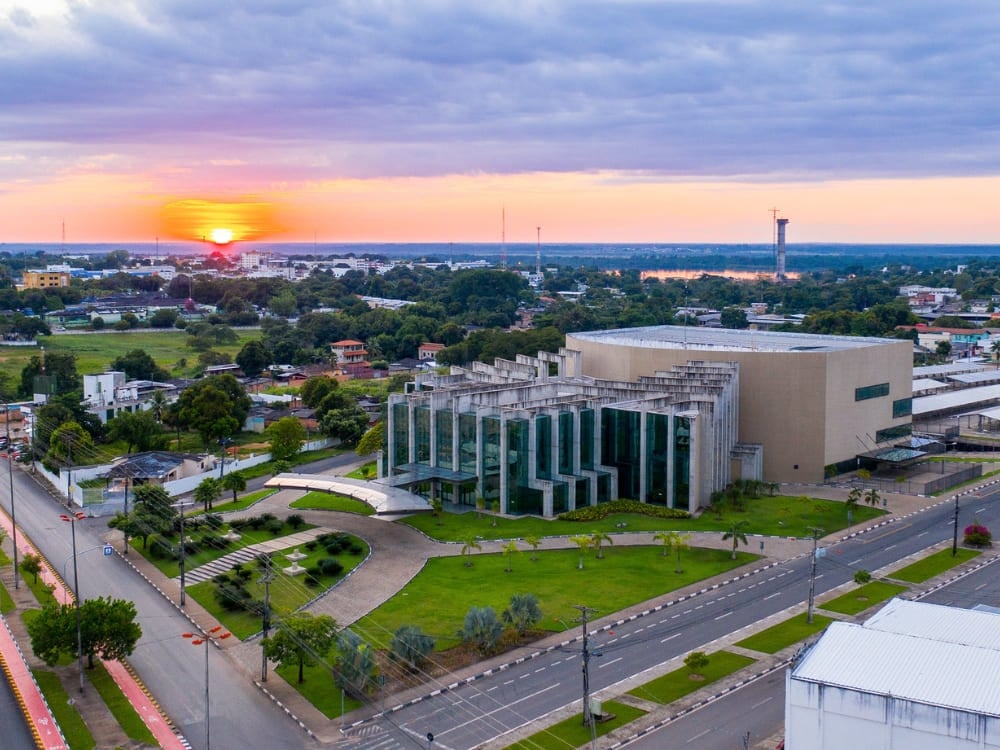
From Boa Vista to Santa Elena de Uairén
Boa Vista Airport (BVB) is categorized as internation, but in practice, it mainly receives domestic flights from Brazilian cities such as Brasília, Manaus, and São Paulo. Therefore, foreign travelers need to land in one of these locations before flying to Roraima.
From Boa Vista, the most common route is to travel by car or transfer along the BR-174 highway. From there, it takes around 3 hours on the road to reach the border with Venezuela, followed by an extra 20 minutes to arrive in Santa Elena de Uairén.
With a few ways to make the trip, this cross-border journey is a well-trodden path, particularly for Brazilian travelers joining organized expeditions.
Private Transfer
The most comfortable option, usually arranged by tour operators. A driver picks you up at your hotel or airport in Boa Vista and takes you directly to Santa Elena de Uiarén. This ensures flexibility with departure times and stops along the way.
Operated by trustworthy local partners, shuttle services are included in all of PlanetaEXO’s tours.
Shared Van
More affordable, travelers join a small group for the ride. Vans depart regularly from Boa Vista and are commonly used by those joining expeditions. They may take slightly longer depending on stops and border procedures.
Public Bus
The cheapest but least convenient option. Buses connect Boa Vista to Santa Elena de Uiarén, but schedules are irregular, and the journey can be slower due to frequent stops. Not recommended for travelers with limited time or those who prefer more reliable logistics.
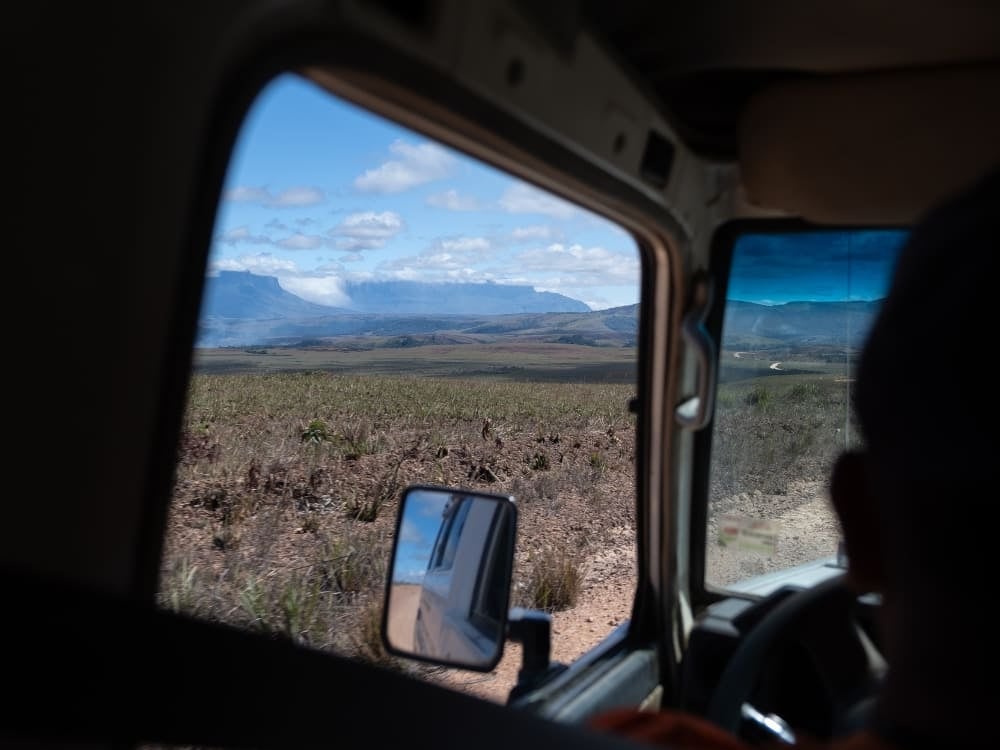
The Beginning of the Journey
Santa Elena de Uairén is a pivotal starting point for travelers, providing modest accommodations, restaurants, and last-minute supplies before the trek.
From there, the adventure continues with a scenic drive to Paraitepuy, an indigenous community that serves as the gateway to the trails that lead to Mount Roraima. The drive itself offers stunning views of the Gran Sabana landscapes, passing the Tek and Kukenan rivers.
Always counting on the expertise of local indigenous guides, trekkers usually stop at rustic campsites along the way. This is where the real journey to the top of Mount Roraima begins.
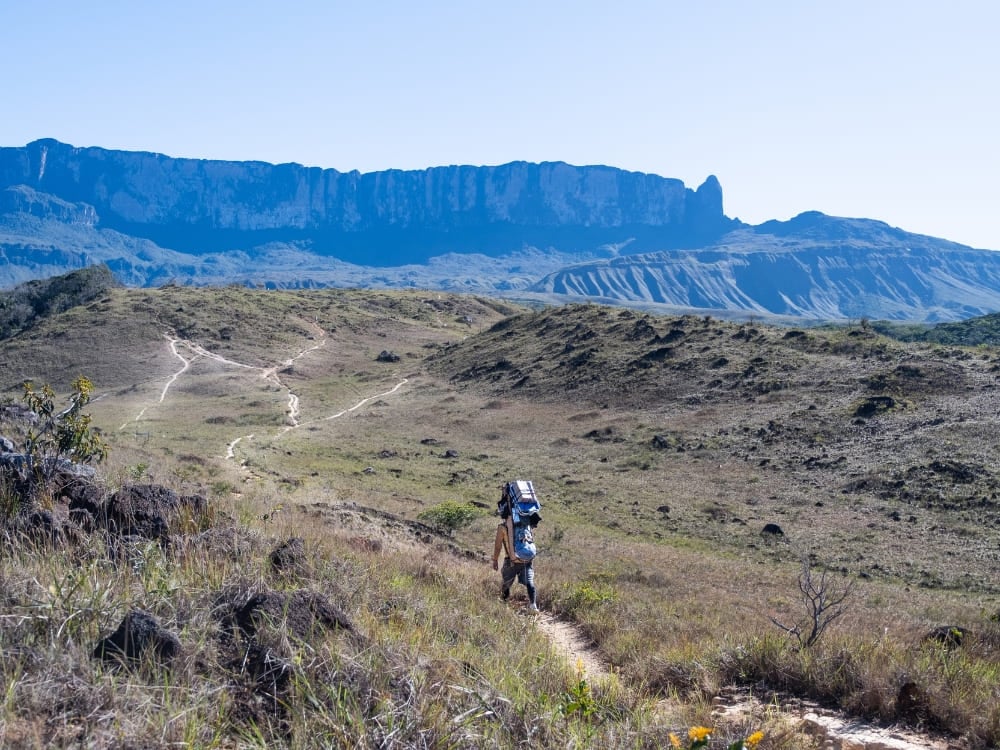
What’s the Best Access to Get to Mount Roraima: Brazil or Venezuela?
When you plan a trip to Mount Roraima, one of the most common questions is whether to access it through Brazil or Venezuela. Both are possible, but they offer very different logistics.
Entering via Brazil
For most travelers, Brazil is the easiest and safest option. Boa Vista, in Roraima, is connected to major Brazilian cities with daily flights, making it relatively straightforward to plan an itinerary.
The infrastructure on the Brazilian side is generally reliable, with services and support in Portuguese or English. Another advantage is that some nationalities (including Europeans and many Latin Americans) do not need a visa for short stays, making this a simpler route in terms of bureaucracy.
After crossing into Venezuela, you’ll reach Santa Elena de Uairén, where most expeditions organize logistics before heading to Paraitepuy and, finally, to Mount Roraima.
Traveling this way allows you to rely on Brazilian airports and services for your arrival and departure while only entering Venezuela for the actual trek.
Entering via Venezuela
Santa Elena de Uairén does have a regional airport (SNV), but it handles little more than charter and air-taxi traffic. Scheduled service has always been thin and intermittent, a twice-weekly Conviasa link from Caracas via Puerto Ordaz and Canaima came and went, so you cannot plan a trip around it.
Driving in from within Venezuela is a long haul: Caracas to Santa Elena covers about 1,250 km through Ciudad Guayana, which realistically means two days on the road.
That is why, unless you are already in Venezuela, Boa Vista in Brazil remains the reliable way in to start your Mount Roraima trek.
👉 Read more: 10 Facts About Mount Roraima
Visas and Travel Requirements
Whether you choose to enter through Brazil or Venezuela, it is crucial to check visa requirements in advance.
For those holding passports from the US, Canada, or Australia, Brazil mandates an e-Visa. This process is conducted entirely online without requiring a consulate visit, and airlines will verify your approved code prior to check-in. Citizens of Mercosur countries, Europe, Japan, and South Korea enter visa-free.
Venezuela is where travelers tend to get caught out, because the rule depends on how they arrive. European travelers are exempt from the tourist visa only when they fly in. Crossing at the land border, which is exactly what the Boa Vista route involves, calls for a tourist visa arranged in advance. US citizens need one either way.
However you enter, expect to show a passport valid for at least six months, onward travel, and proof of where you’re staying.
Keep in mind: policies can change. During your travel planning, check if you need a visa on Brazil’s Ministry of Foreign Affairs website and/or the nearest Brazilian and Venezuelan embassies. You can also do a quick search on Sherpa, but remember to always verify the current conditions on the official channels of each country.
👉 Read more: Do I need a Visa to visit Mount Roraima in Venezuela?
Trekking in Mount Roraima with PlanetaEXO
When you plan your trip to Mount Roraima, or any other destinations for hiking in Brazil, you need professionals who are familiar with the location and who can make the trek as smooth and fulfilling as possible.
PlanetaEXO, an ecotourism platform specializing in Mount Roraima tours, works with expert local partners who are deeply connected with the indigenous community of the region, not only ensuring safety and the best logistics but also a culturally rich experience. Contact us now!
Keep reading
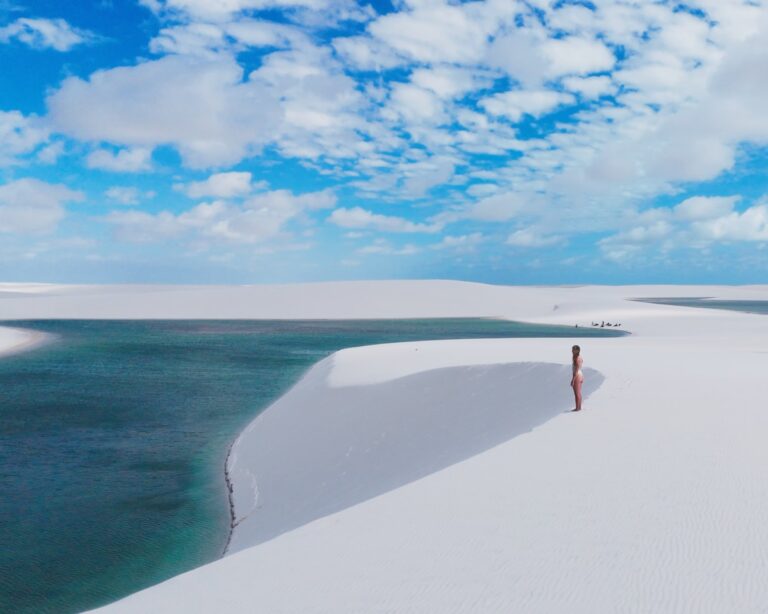
October 1, 2026
PlanetaEXO’s new mini-doc showcases ecotourism in Lençóis Maranhenses
In “Lençóis Maranhenses: Far From The Crowds, Close To What Matters”, PlanetaEXO’s mini-doc shows how ecotourism is changing life for local communities.
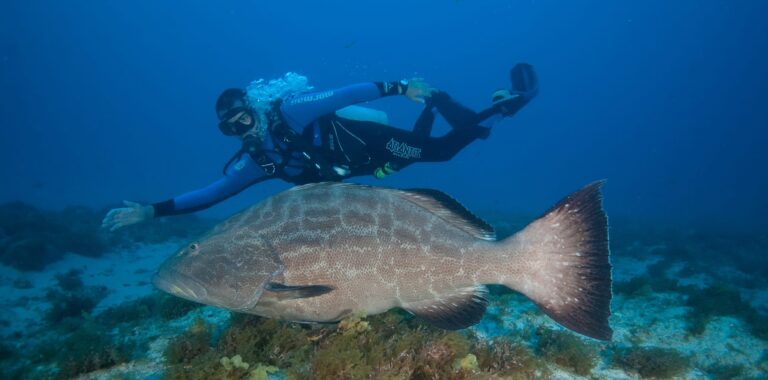
September 30, 2026
Best Dive Sites in Fernando de Noronha: 21 Spots by Depth and Level
The 21 best dive sites in Fernando de Noronha, with depth, seaside, and level for each, from 8 m beginner reefs to the 62 m Corveta Ipiranga wreck.
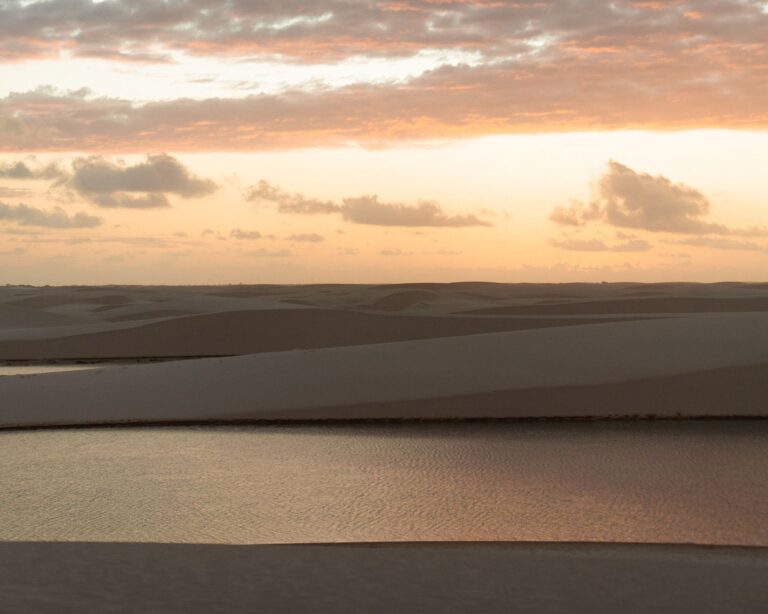
September 28, 2026
Lovely, Overwhelming, Total Joy: Maja’s 15-Year Wait for Lençóis Maranhenses
15 years of waiting, a 6-day full itinerary, and dunes like snow: a retired Slovenian professor’s honest account of Lençóis Maranhenses.